Septoplasty (Nasal Bone and Cartilage Curvature Surgery)
Healthy breathing is the key to a healthy life. However, in a large segment of the population, there are curvatures in the structure we call the “septum,” which divides the nasal cavity into two. Septum Deviation, commonly known as nasal bone curvature, significantly impairs a person’s quality of life by narrowing or completely blocking the airway.
Septoplasty is the most effective surgical treatment method applied by Op. Dr. Bekir Can Gümüşlü to correct this curvature and open the airway.
The septum is a wall consisting of cartilage in the front and thin bone in the back. Ideally, this wall should be exactly in the middle, allowing equal air passage through both nostrils. However, due to genetic factors, birth traumas, or subsequent impacts, this wall can bend in an “S” or “C” shape. While this situation may not always be visible from the outside, it creates a serious internal “air traffic jam.”
Symptoms and Harms of Septum Deviation
Many people may not realize the seriousness of the situation because they have grown accustomed to nasal congestion. However, the following symptoms are signs that you should see an ENT specialist:
Chronic Nasal Congestion: Congestion that is usually felt on one side (sometimes both) and does not improve with sprays.
Mouth Breathing and Snoring: Patients who cannot breathe through the nose breathe through the mouth throughout the night. This leads to snoring, morning dry mouth, and sore throats.
Frequent Sinusitis and Infections: The curvature disrupts the ventilation of the sinuses, paving the way for infections.
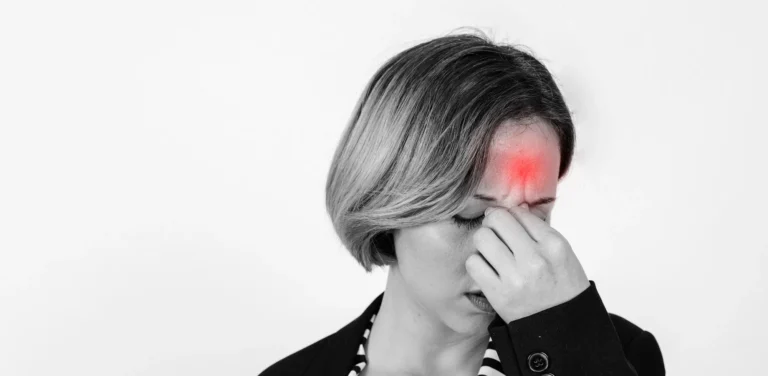
Headache: The contact of curved cartilage or bone tissues with sensitive areas inside the nose (such as the turbinates) can lead to “contact headaches.”
Nasal Bleeding: Irregular airflow can cause the mucosa to dry out, leading to frequent bleeding.
How is Septoplasty Performed?
Septoplasty surgery is a closed method performed entirely through the nostrils, leaving no external incision scars. The procedure, performed under general anesthesia, takes an average of 45 minutes to 1 hour.
Op. Dr. Bekir Can Gümüşlü carefully exposes the curved cartilage and bone structures during the surgery. Part of the curved sections are removed, while other parts are corrected and repositioned. The goal here is to open the airway without collapsing the support mechanism (the roof) of the nose.
Contrary to traditional methods, the era of “complete cartilage removal” is over; modern surgery employs “protective septoplasty.” At the end of the operation, perforated silicone splints (leaf packs) that allow breathing and prevent tissues from sticking together are placed inside the nose.
Recovery Process and Post-Operative Care
Our patients are discharged on the day of surgery or the following day.
The Packing Process: Old-style gauze packing is a thing of the past. The silicone splints we use are slippery, non-stick, and are removed painlessly in seconds after 2–3 days.
Bruising and Swelling: Since the external nasal skeleton is not touched (no aesthetic work is done) during septoplasty, no bruising around the eyes or swelling of the face occurs.
Return to Work: Patients can return to their work and social lives immediately after the splints are removed, which is an average of 3–4 days.
Result: Once the splints are out, the patient experiences a level of comfort they may have never noticed before. Full recovery and the subsiding of internal nasal edema may take 2–3 weeks.
When researching nasal bone curvature surgery prices in Istanbul, it should be remembered that the operation is a “health investment.” An incorrect or incomplete surgery will not solve the problem and may require revision.